Lifestyle Changes After a Major Health Event
Written by Paige Feikert
Lifestyle Changes After a Major Health Event
Support and Resources are Available
Written by Paige Feikert
When Dan Allred suffered a sudden cardiac arrest in his front yard on December 8, 2024, his life changed forever.
“My heart turned off — just no warning whatsoever, just stopped beating,” Allred said.
For 13 minutes, Allred did not have a heartbeat. His wife and a neighbor performed chest compressions and called 911. By the time EMS transported Allred to the closest hospital, he was still unresponsive. According to the Cleveland Clinic, brain damage is possible after just five minutes.
But Allred survived without a heartbeat for 13 minutes — no brain damage and feeling mostly back to normal a little more than a year later. He credits life-saving measures by his wife, neighbor and emergency medical professionals as well as his faith, which has gotten even stronger since the incident.
“The odds were not in my favor for surviving and without the grace of God, I highly doubt I would have,” Allred said. “Without Him, I wouldn’t be here.”
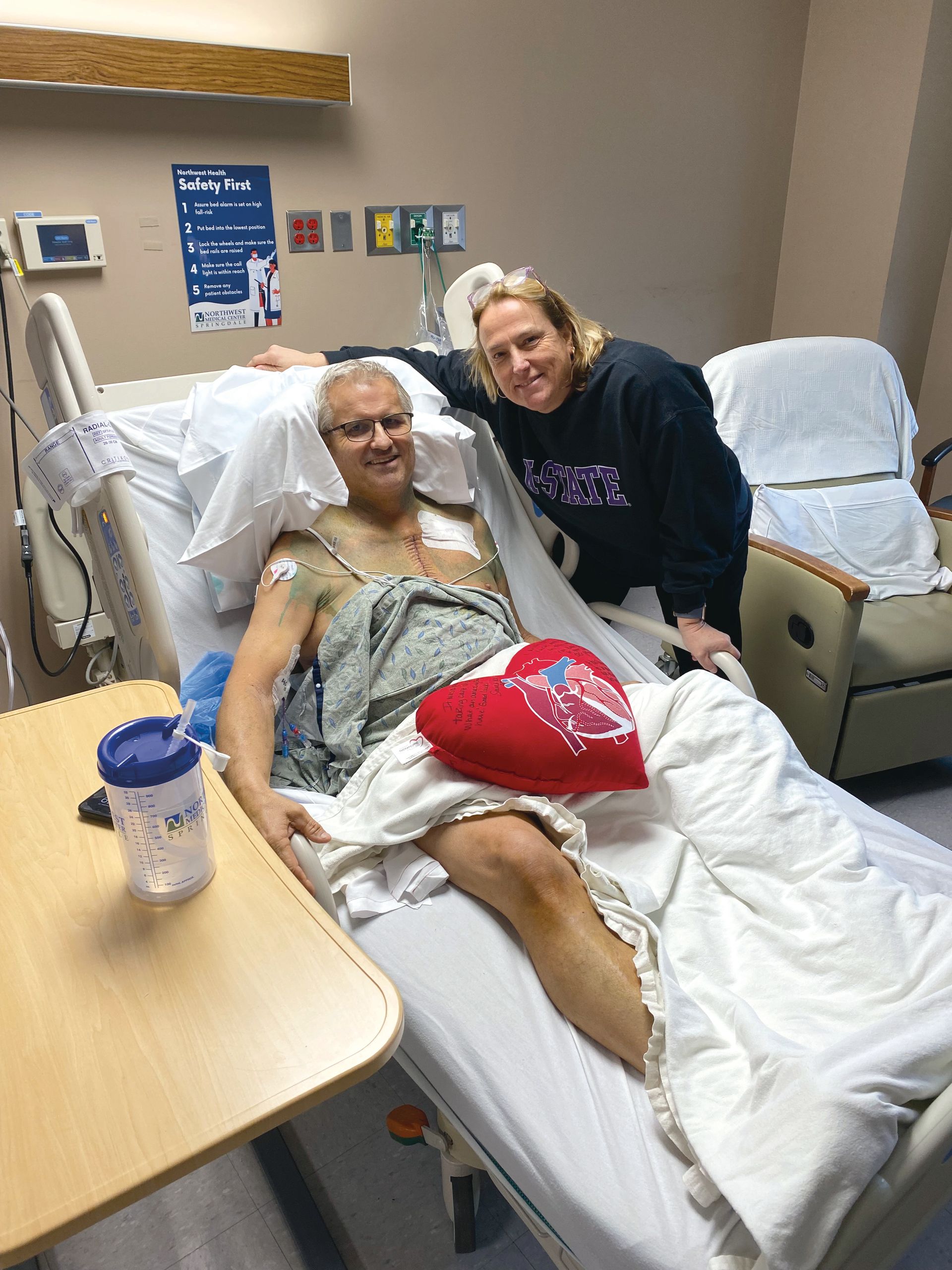
Allred with his wife during his recovery following the cardiac arrest he experienced in December 2024.
Dan Allred: Walking the Road to Recovery
Surviving the cardiac event was just the beginning of a long journey to recovery. One of the biggest changes for Allred was a prescription to exercise more often — his doctors recommended he walk at least three miles a day.
Allred started exercising more when he got home from the hospital — walking every day on a treadmill. Now, he tries to find time to go on walks, most of the time at his wife’s suggestion. “My wife is intentional in saying, ‘Let’s go for a walk,’ and I’m not going to say no,” Allred said. “She’s the one who stood over me, speaking life into my body, so I try to be sensitive to that.”
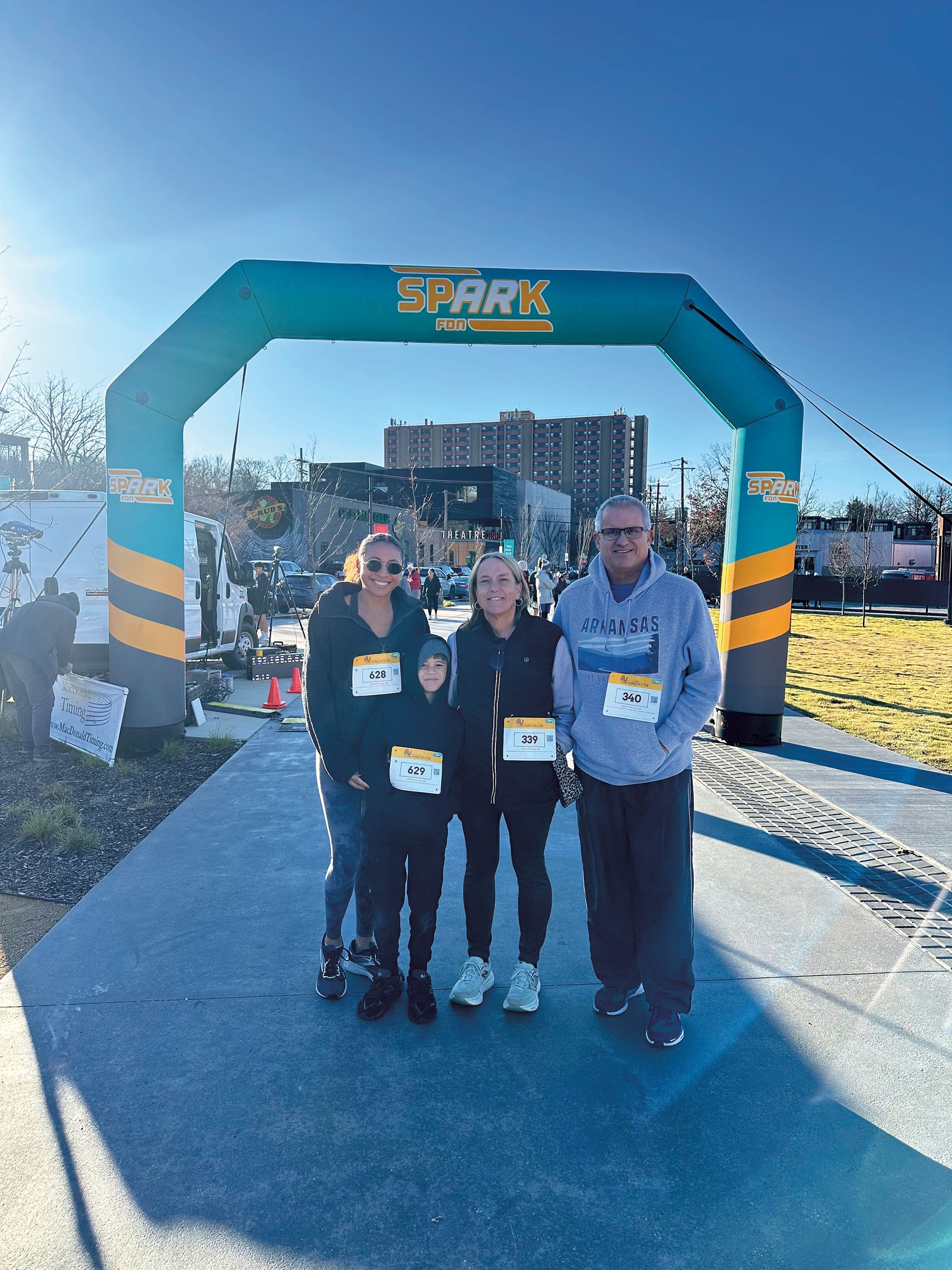
With her help, Allred stuck with it — even working up to a 5K that he completed near the one year anniversary of his cardiac arrest.
‘We start with these really small changes. That’s where we can see this movement.’ — Tara Sharon, health educator
Tara Sharon is the chronic disease health educator with the Sedgwick County Health Department, where she works with people in the community who are managing chronic diseases and their caregivers through the county’s free Disease Management and Wellness workshops and the Hypertension Awareness and Prevention Program (HAPp).
“We make action plans at the end of each class to identify the steps you can take to make lifestyle changes,” Sharon said. “We start with these really small changes. That’s where we can see this movement — when we can make one small change, that’s where we can build those habits and they’re less likely to fall off later.”
The chronic disease self-management class through the Sedgwick County Health Department is a six-week course that focuses not only on diet, exercise and tobacco use, but also on healthy habits — sleep, stress management, medication adherence — and practical skills such as empowerment to communicate with loved ones and medical professionals, reading food labels and problem solving.
“We do problem solving and brainstorming that helps us understand what the barriers are [to lifestyle changes] and we figure out how to get past them,” Sharon said. “We try to just start small — if you’re training for a marathon you don’t go out and run 26.2 miles the first day, it takes little steps to get there.”
In addition to providing tools — both education and real tools such as the free blood pressure cuff included in the HAPp program — the courses at Sedgwick County provide a community to support healthy lifestyle changes and chronic disease management.
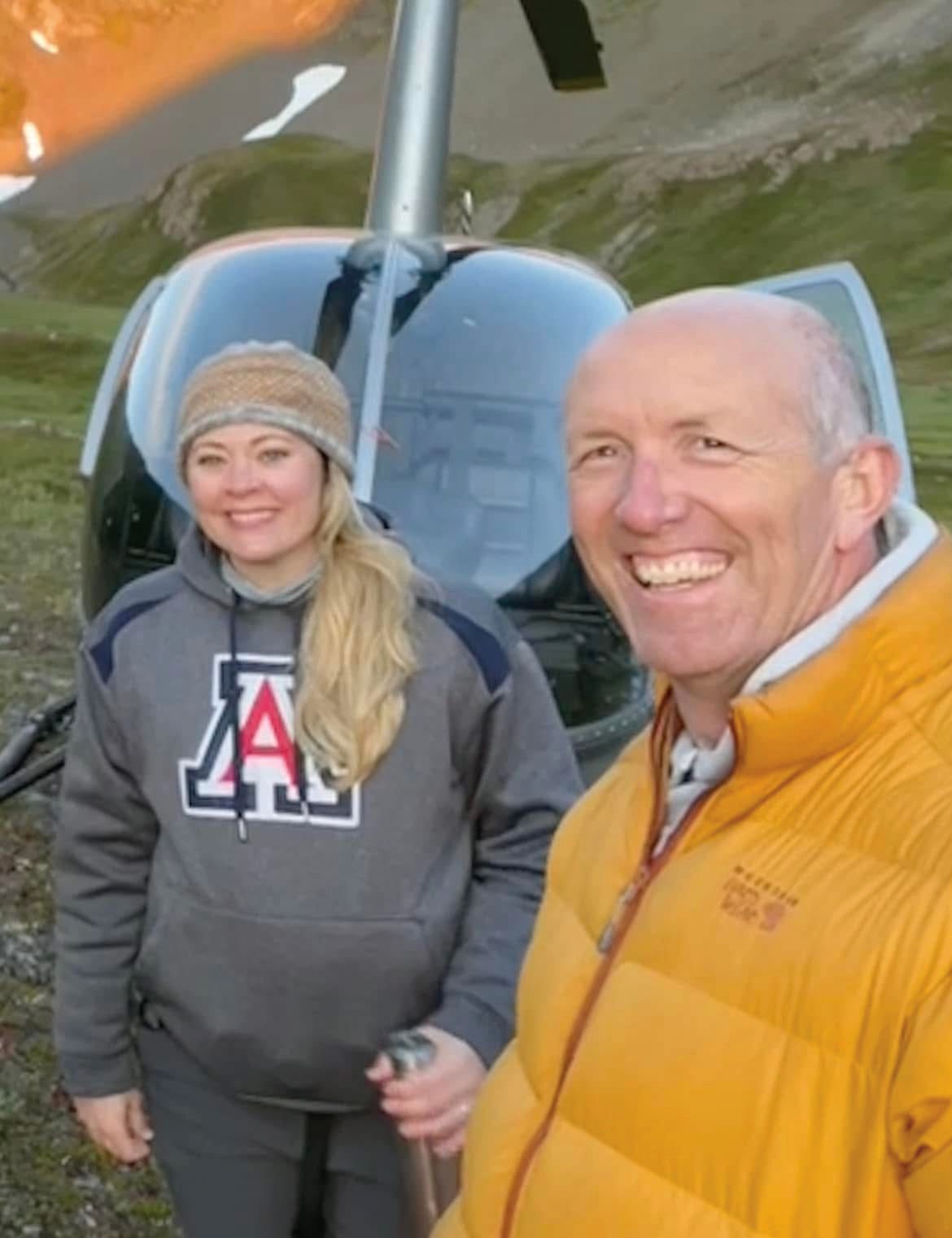
Matt Freund with his sister-in-law, Tanya, who donated a kidney on Freund’s behalf.
Matt Freund: Life After Kidney Transplant
Not all lifestyle changes look the same. For Matt Freund, a critically rigid medication schedule became part of his routine after becoming the recipient of a donated kidney.
“The number one thing is the need to take anti-rejection medication twice a day without fail ever,” Freund said. “Think about how many things there are in your life that you do every day, but for most things you can think about a time where there’s an exception — even if you eat breakfast every day, once in a while something gets messed up and you don’t eat breakfast. That can’t happen with this medication.”
As a pilot, Freund is often traveling to different time zones and working various schedules, and has worked to find multiple ways to ensure he doesn’t delay a dose.
“I have alarms on my phone, but the big aspect for something like this is that you have to have somebody else who can keep track of that and remind you, even when you’re not with them, and that’s my wife,” Freund said.
‘For kidney donors, it’s not something that is out of character for them to donate a kidney, it’s just part of their very generous existence.’ — Matt Freund
The path to a kidney transplant can be a long one, and the donation process is complex and rigid. Despite the changes to his lifestyle since receiving a new kidney, Freund’s appreciation of the organ donor community has grown tremendously — a community that includes his sister-in-law who donated a kidney on his behalf.
“For kidney donors, it’s not something that is out of character for them to donate a kidney, it’s just part of their very generous existence,” Freund said. “They’re just incredibly generous, kind and brave people who are literally willing to bend over backwards for the well-being of another person.”
Free Resources
You can find more information about Sedgwick County’s Disease Management and Wellness workshops and HAPp on their website at sedgwickcounty.org/health/services/disease-management-and-wellness-workshops.
For help with smoking cessation, the state has resources through the KanQuit program online at kansas.quitlogix.org for adults and ks.mylifemyquit.org for youth.
If you’re interested in kidney donation, visit kidneyregistry.com to learn more.